US regulatory guide

FDA cosmetic registration is not approval.

FDA listing is not FDA approval. The FDA does not approve cosmetics before sale.
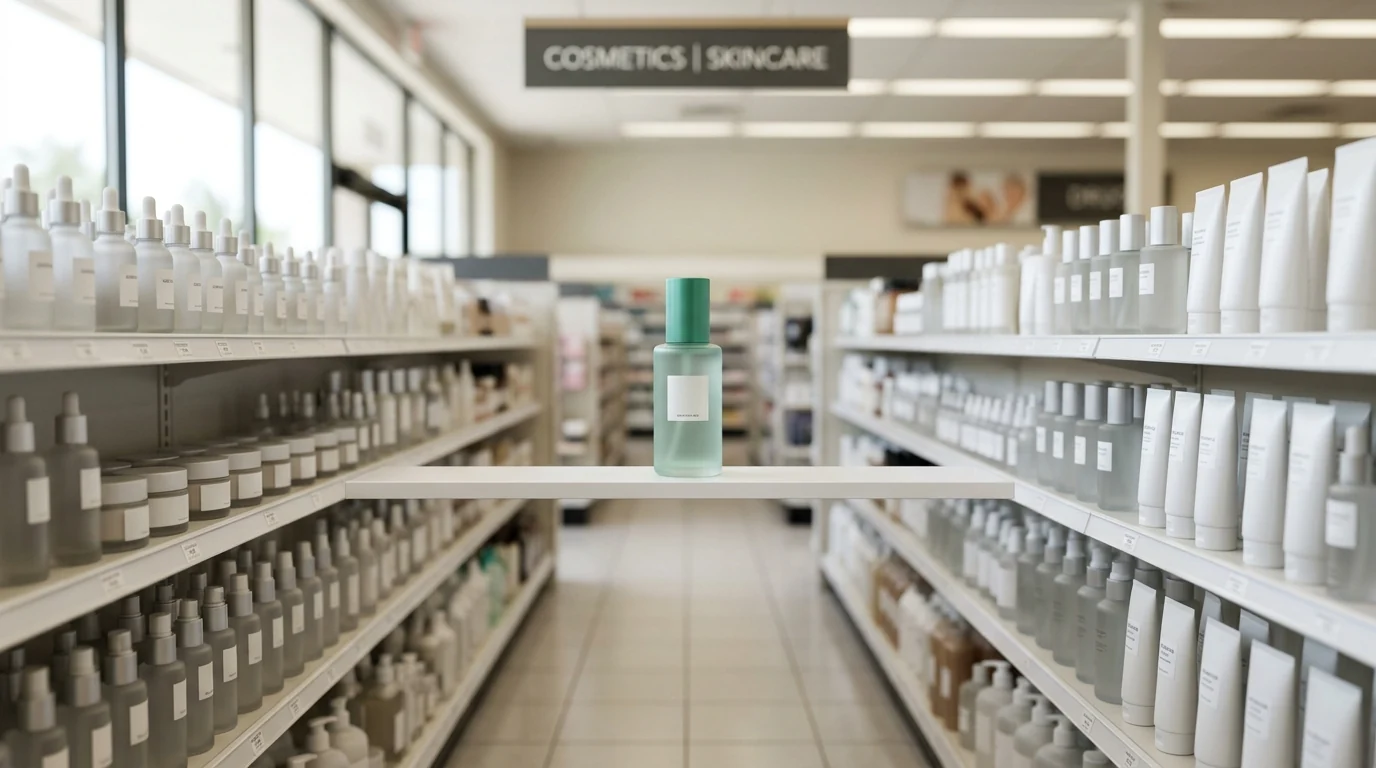
Cosmetics on a US retail shelf, MoCRA guide banner
CM
Written and reviewed by Cassandra Maddocks
Chemist & biochemist · cosmetic safety assessor · LinkedIn · last reviewed 22 August 2026
TL;DR: FDA listing is not FDA approval. The FDA does not approve cosmetics before sale. Facility registration and product listing under MoCRA record the facility and the products on the US market. They do not certify the formula or authorize an approved claim. Color additives are the main premarket exception. Calling a listed cosmetic FDA approved is a labelling problem. CIGREG files the MoCRA setup through Cosmetics Direct. See our US Agent and MoCRA service, the US MoCRA guide, product listing, and the US vs EU comparison.

Does the FDA approve cosmetics before they go on sale?

No. Cosmetic products and ingredients are not subject to FDA premarket approval, with the exception of color additives (other than coal-tar hair dyes). The FDA’s authority over cosmetics is post-market. Companies that market cosmetics are legally responsible for safety and labelling. Registration and listing do not change that.

FDA Basics for Industry states that cosmetic products and ingredients are not subject to premarket approval, except color additives. FDA-regulated is not FDA-approved. The agency can act after sale if a cosmetic is adulterated or misbranded. That is why an label and claims review matters before anyone writes “FDA approved” on a page.

What is FDA cosmetic registration under MoCRA?

MoCRA requires facilities that manufacture or process cosmetics for the US market to register with the FDA. Registration identifies the facility. It is a precondition for lawfully supplying the US market. There is no FDA fee under section 607 of the FD&C Act. An FEI number is required before a facility can be registered. Registrations renew every two years.

The Modernization of Cosmetics Regulation Act created the federal registration regime. The working sequence is in our US MoCRA guide. Renewals run on each facility’s own date, not one shared deadline; the mechanics are in MoCRA facility-registration renewals. CIGREG files this through the US Agent and MoCRA service.

Is facility registration the same as product listing?

No. Registration names the facility that manufactures or processes the cosmetic. Listing is a separate filing by the Responsible Person: the manufacturer, packer or distributor whose name appears on the label. The listing identifies each marketed product and its ingredients. A contract manufacturer that registers the plant does not list your products for you.

FDA registration and listing are two filings. Who lists, when, and what ingredients must appear is in our product listing guide. Combined CPNP, SCPN and FDA filing is also covered under notifications.

Does listing a product make it FDA approved?

No. Listing records what is being sold. It is not a stamp of approval, a certificate or a licence. The FDA does not issue cosmetic approval certificates. Describing a listed cosmetic as FDA approved is itself a labelling problem. Color-additive listing is a different, narrower premarket process and does not approve the finished cosmetic.
FDA source capture: cosmetic registration and listing are not certificates of approval
FDA text on the MoCRA registration and listing regime: the agency does not issue certificates of cosmetic approval for a listing or a facility registration. From our evidence library.

If the listing is being used as a marketing line, stop and treat it as a claims problem first. The US market page states the same rule: listing records what is sold.

Who must register, and who must list?

Facilities that manufacture or process cosmetics for the US market must register, domestic and foreign. The Responsible Person named on the label must list each marketed product. For a new product, initial listing is due within 120 days of US marketing. A qualifying small business can be exempt from registration and listing, not from safety substantiation.

The small-business threshold, the higher-risk categories that void it, and what still applies are in the small-business exemption guide. Exempt or not, a brand still needs safety substantiation; EU-style CPSR work can support that file, but it is not an FDA approval document.

Do I need a US Agent to register a foreign facility?

Yes. A foreign facility that must register has to designate a US Agent who resides in or keeps a place of business in the United States and is physically present there. A mailbox or answering service does not qualify. The US Agent is not the Responsible Person and is not the label contact for adverse-event reporting.

CIGREG can act as the named US Agent and file registration and listing through Cosmetics Direct. That is the US Agent and MoCRA mandate: one setup, then biennial renewals tracked so the facility date does not lapse.

How do you file registration and listing with the FDA?

Submissions go through Cosmetics Direct, the FDA’s free electronic tool, in Structured Product Labeling (SPL) format. Paper alternatives are Form FDA 5066 for facility registration and Form FDA 5067 for product listing. The FEI number must be in place first. There is no FDA fee. A structural error in the SPL file can bounce the submission.

Cosmetics Direct is the free portal. The SPL XML is where first-time filers stall. Our MoCRA setup is a fixed $900 and covers facility registration, product listing and the US Agent role for foreign facilities.

What still applies if you skip registration, or qualify as a small business?

A qualifying small business (average gross annual US cosmetic sales under $1,000,000 over the previous three years, inflation-adjusted) can be exempt from GMP, facility registration and product listing. The exemption is voided by specified higher-risk products. Safety substantiation, labelling rules and serious adverse-event reporting still apply to every brand.

Skipping a required registration or listing is non-compliance now, not a grace-period issue. The exemption never lifts labelling or adverse-event duties. Review claims on the label and the product page through label and claims review before anyone treats a listing number as a badge.

How does US listing differ from EU CPNP notification?

Both are filings. They are not approvals. CPNP is a pre-market EU notification under Article 13 of Regulation 1223/2009, filed by the Responsible Person after the CPSR and PIF exist. US listing is a post-market record of products already marketed or within 120 days of marketing. One filing does not satisfy the other market.

CPNP sits inside EU cosmetic regulations: Responsible Person, CPSR, PIF, then notification. The US model is post-market listing plus facility registration. The two systems are mapped in US vs EU. Filing one does not file the other.

My take, from practice

The gap we see most often is treating the Cosmetics Direct confirmation screen as a certificate. Brands screenshot the listing, put “FDA registered” or worse “FDA approved” on a product page, and treat the file as closed. The portal records a submission. It does not review the formula, it does not issue a certificate, and it does not license a marketing claim. The second habit is assuming the contract manufacturer handled listing because they registered the facility. Those are two filings and two roles. When we take a US file over, the first check is whether listing exists at all, and the second is whether the brand is using the listing as a claim.

FAQ

Common questions.

The FDA does not approve cosmetic products or ingredients before they go on the market, except for color additives (other than coal-tar hair dyes). FDA-regulated is not the same as FDA-approved. Companies that market cosmetics remain responsible for safety and labelling. Registration and listing do not create an approval.

No. Registration identifies the facility that manufactures or processes the cosmetic. Listing is a separate MoCRA filing by the Responsible Person named on the label, covering each marketed product and its ingredients. A factory registration does not list the brand’s products.

No. Listing records what is being sold. It is not approval, a certificate or a licence. The FDA does not issue cosmetic approval certificates. Calling a listed cosmetic FDA approved is a labelling problem. Color-additive approval does not approve the finished product.

A facility outside the United States that must register has to designate a US Agent who is physically present in the United States. A mailbox or answering service does not qualify. The US Agent is the FDA communication contact for that foreign facility, not the Responsible Person and not the adverse-event contact printed on the label.

No. There is no FDA fee to register a facility or list a product under section 607 of the Federal Food, Drug, and Cosmetic Act. The cost is preparing the SPL submissions correctly and, for a foreign facility, appointing a US Agent. The facility needs an FEI number before a submission can go through.

A business whose average gross annual US cosmetic sales over the previous three years are under $1,000,000, inflation-adjusted, can be exempt from GMP, facility registration and product listing. Higher-risk products void the exemption for the whole business. Safety substantiation, labelling and serious adverse-event reporting still apply.

Need MoCRA setup filed without an approval claim?
Facility registration, product listing and US Agent. Fixed $900.
Get a quote